
How Reverse Logistics Can Transform Your Excess Inventory Into Profit
Understanding Reverse Logistics
Reverse logistics is a crucial but often overlooked part of the supply chain. Unlike traditional logistics, which focuses on the movement of products from manufacturers to consumers, reverse logistics manages the return journey. This process includes the return of goods, recycling, refurbishment, and the reselling of products. By effectively implementing reverse logistics, businesses can transform excess inventory into profit.
The Importance of Managing Excess Inventory
Excess inventory can be a significant drain on resources, tying up capital and increasing storage costs. By adopting reverse logistics strategies, businesses can better manage this surplus and reduce waste. Effective inventory management not only helps in recouping costs but also enhances customer satisfaction by providing more options and flexibility.
Moreover, reverse logistics can positively impact the environment by minimizing waste and promoting sustainable practices. This, in turn, contributes to a company's corporate social responsibility goals, further enhancing its brand image.
Key Strategies for Leveraging Reverse Logistics
To successfully transform excess inventory into profit, businesses can adopt several strategies:
- Product Refurbishment: Refurbishing returned or unsold products can make them suitable for resale, often at a reduced price, thus recovering part of the original investment.
- Recycling and Reuse: By recycling materials or reusing components, companies can reduce costs and minimize environmental impact.
- Donation and Liquidation: Donating surplus inventory to charitable organizations can provide tax benefits, while liquidation helps in quickly offloading excess stock.
Implementing a Reverse Logistics System
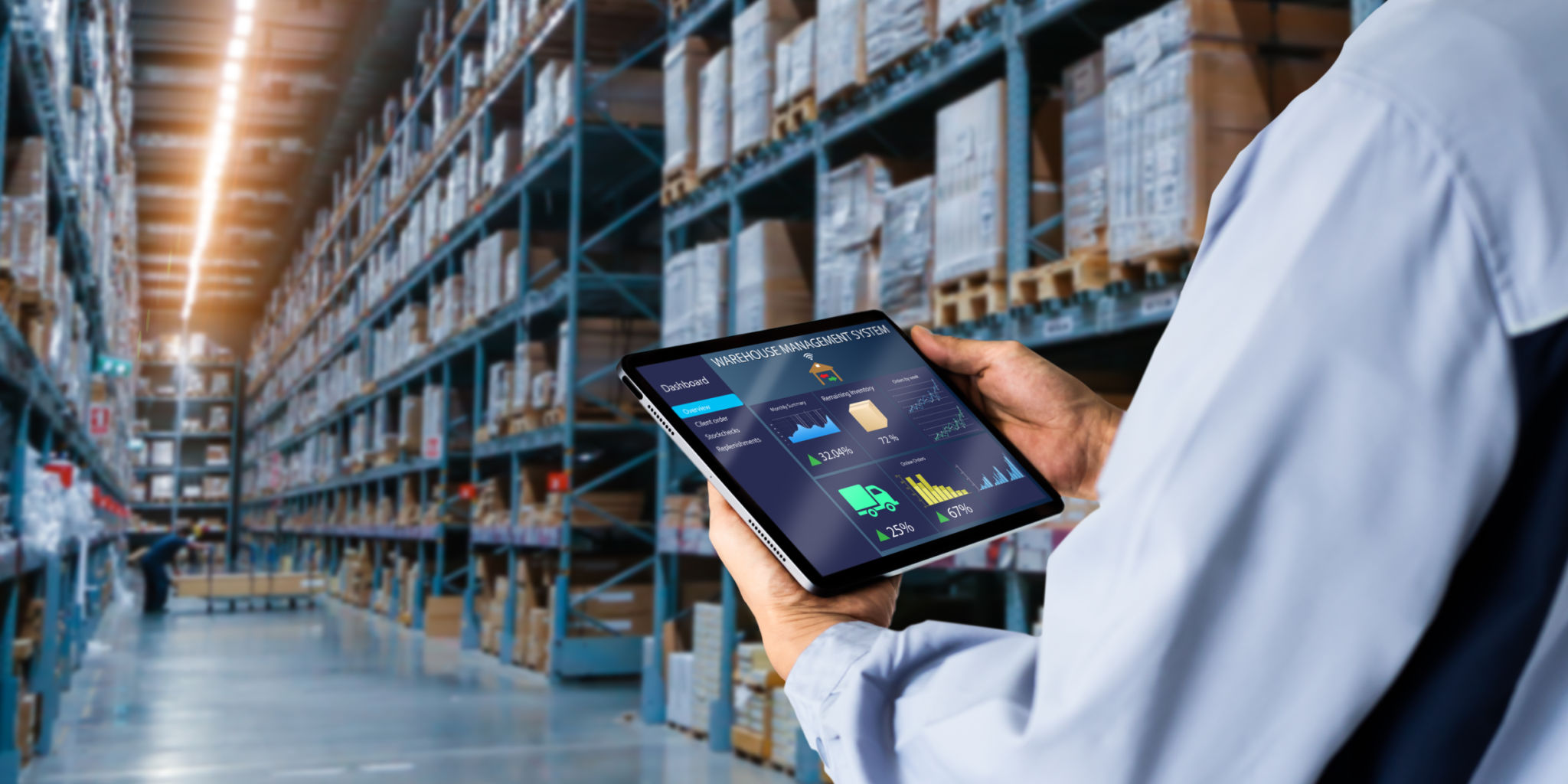
Implementing a reverse logistics system requires thoughtful planning and execution. Start by analyzing your current inventory and return processes to identify inefficiencies. Invest in technology that can help track and manage returns effectively. Collaborate with logistics partners who specialize in reverse logistics to streamline operations.
It's also vital to train staff and create clear policies to manage returns efficiently. This ensures that the reverse logistics process is smooth and customer-friendly, building trust and loyalty with your clients.
Benefits of Reverse Logistics
Embracing reverse logistics offers numerous benefits beyond financial gain. It leads to better resource utilization, reduced environmental impact, and improved customer relations. Companies that prioritize reverse logistics often find themselves with a competitive edge, as they can offer more flexible return policies and sustainable options.
Conclusion
Reverse logistics is not just a cost-saving measure; it's a strategic approach to managing excess inventory and turning it into profit. By focusing on refurbishment, recycling, and efficient return management, businesses can unlock new revenue streams while contributing to sustainability. As supply chains become increasingly complex, the role of reverse logistics in maintaining profitability and customer satisfaction will only continue to grow.